The Wrong Vessel: Why a Strong Idea Needs the Right Format to Be Heard
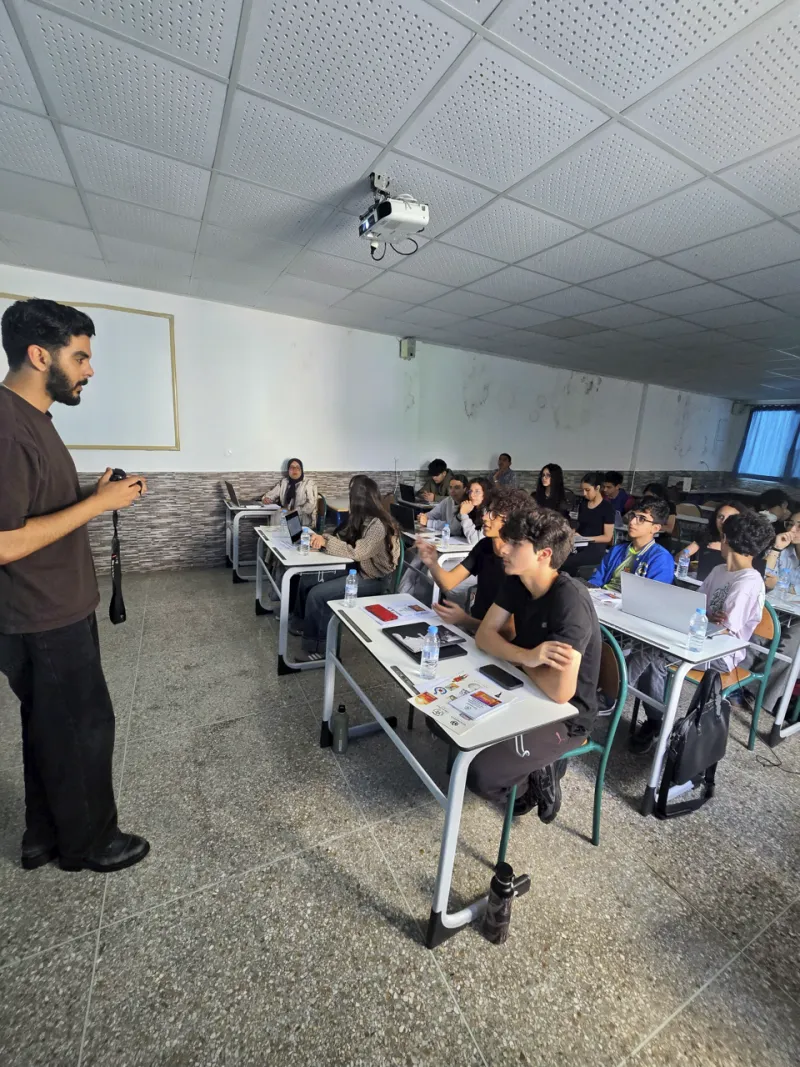
Photo: RACHID BAYA, CC BY 4.0, via Wikimedia Commons
Creative professionals tend to overinvest in the idea and underinvest in its container. The idea gets months of thought; the format gets whatever is convenient. A case study becomes a LinkedIn post because the post is faster. A workshop becomes a slide deck because the deck is safer. A newsletter becomes a series of announcements because announcements require less vulnerability. Then the work underperforms, and the creator concludes the idea was not strong enough. Often the idea was fine. The vessel was wrong.
Format Is a Promise to the Audience
Every format tells an audience what kind of attention is required and what reward follows. A case study promises evidence. A reel promises quick recognition. A workshop promises participation. A newsletter promises an ongoing relationship. A keynote promises synthesis. When the format and the idea disagree, the audience feels the friction even if they cannot name it. They arrive expecting a proof point and receive a pep talk. They arrive expecting a story and receive a methodology. The idea is present, but it is not legible.
This is why strong thinkers sometimes appear weaker than they are. Their ideas are distributed through formats that flatten complexity or inflate simplicity. A nuanced argument about creative risk becomes a listicle. A useful framework becomes a thirty-second video with no room for the middle. The loss is not merely aesthetic. It is strategic. The audience remembers the container, not the content.
The Mismatch Usually Starts With Convenience
Creatives choose formats for reasons that have little to do with the audience: the platform they already use, the template they already own, the format a client requested last year, the medium that feels least exposing. Convenience is not irrelevant, but it should not be the primary design principle. A format is a communication decision, and communication decisions should begin with the audience's intent.
A practical framework asks five questions before choosing a medium:
- What does the audience need to do after encountering this idea?
- How much complexity can the format carry without distortion?
- Does the idea require proof, participation, emotion, or repetition?
- How long should the idea remain useful?
- Where will the audience already be paying attention?
A complex idea that requires trust may need a case study or a long-form essay. A point of view that requires recognition may need a short video or a visual series. A method that requires practice may need a workshop. A relationship that requires consistency may need a newsletter. The goal is not to pick the trendiest container. The goal is to pick the container that makes the idea easy to understand and hard to forget.
A Case Study Is Not a Portfolio Entry
One of the most common format failures is the case study that behaves like a portfolio entry. It shows the finished work, praises the client, and lists deliverables, but it never explains the decision that changed the outcome. A real case study is an argument. It establishes the problem, the constraint, the choice, the result, and the lesson. It gives the reader a transferable insight rather than a gallery of artifacts.
When a creative professional says the case study format does not work for them, the problem is often that they are using the format without its central obligation: evidence. The format is not a template for arranging images. It is a promise that the reader will learn why something worked.
The Newsletter Is a Relationship, Not a Megaphone
Newsletters fail in the opposite direction. They are chosen for frequency and then filled with announcements. The format promises a relationship, but the content delivers a bulletin. Readers unsubscribe not because the ideas are weak but because the format has been misused. A newsletter earns its place by offering a recurring point of view, a continuing conversation, or a useful rhythm of reflection. If the content could be a press release, it should not be a newsletter.
Match the Medium to the Memory
A useful final test is memory. After the audience encounters the idea, what will remain? A case study leaves a mental model. A workshop leaves a practiced skill. A reel leaves an image or a phrase. A newsletter leaves a habit of attention. A keynote leaves a sense of synthesis. The creator should choose the format that leaves the residue the idea deserves.
Format is not decoration. It is the shape of the promise. When the vessel fits the idea, the audience does not notice the packaging. They notice the clarity. They remember the argument. They know what to do next. That is not a marketing trick. It is the ordinary discipline of making good thinking available to other people.